99.9% Uptime: Strategic PerformanceTesting for Telecom Success

The Business Impact of Reliability

When telecom applications fail, it costs money. A recent case study demonstrates how
strategic performance QA achieved 99.9% uptime and reduced performance incidents by
75% for a telecom operator.

The Challenge: Peak Load Failures

The telecom operator’s BSS/OSS applications were experiencing critical failures:
 System outages during hightraffic periods
 Poor customer experience with slow response times
 Inadequate testing for realistic load simulation

Forrester research shows 82% of consumers rank reliability as the top factor in telecom

service satisfaction above price.

The Solution: Two-Pronged Testing Approach

Manual Stress Testing

 Simulated extreme user scenarios
 Assessed realworld user experience under load
 Identified performance bottlenecks through direct observation

Automated Performance Framework

 Simulated 10,000+ concurrent users
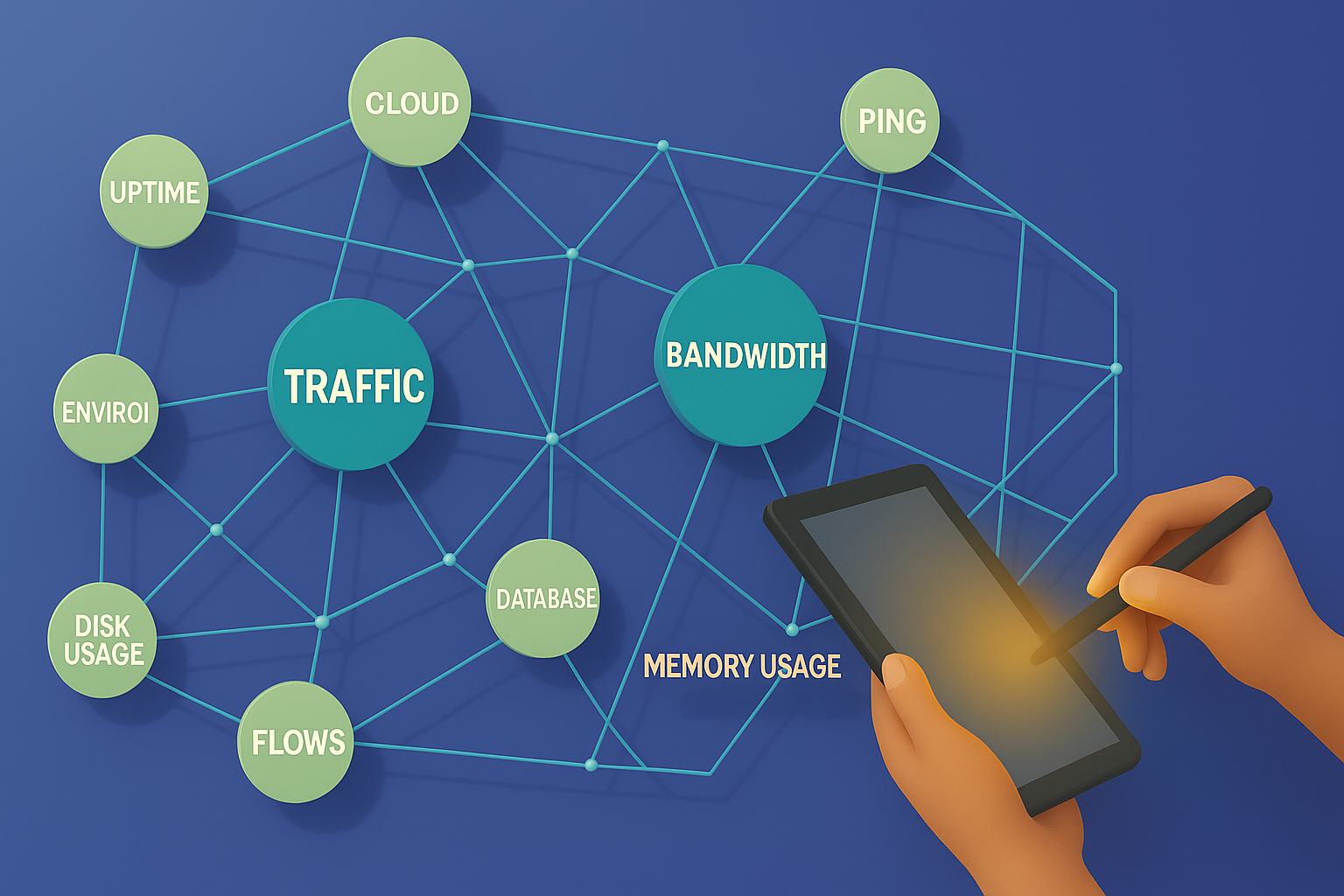
 Monitored system performance metrics continuously
 Integrated performance testing into CI/CD pipelines

Implementation Strategy

 Analyzed real usage patterns to create realistic tests
 Automated 90% of performance scenarios
 Manually tested edge cases and user experience
 Integrated performance metrics into reporting
 Continuously optimized based on test results.

Results: Performance Transformation

MetricResult
Application Uptime99.9%
Performance Incidents75% reduction
Response Time60% faster
Test Coverage90%

Industry Trends in Telecom Performance

  • 78% of leading providers now embed performance requirements in their definition of done
  •  Top performers use hybrid testing models combining manual and automated approaches
  •  Performance shift-left” has become standard practice in the industry

Key Takeaways for QA Leaders

  • Combine testing approaches: Use automation for scale and human testing for edge cases
  • Test with real-world scenarios: Base tests on actual production patterns
  • Make performance a release gate: Integrate performance thresholds in CI/CD
  • Use AI for prioritization: Focus on critical scenarios
  • Monitor continuously: Extend performance observation into production